News

Temukan berita terbaru yang beragam dan tips untuk meningkatkan kualitas hidup anda,

Bisnis, Featured, News

Kenapa Dokter Minta Kamu Berhenti Rokok Sebelum Tanam Rambut

“Satu batang doang, masa ngaruh?” Kalimat itu yang paling sering keluar begitu dokter menyinggung soal rokok menjelang tanam rambut. Padahal di situlah letak salah paham yang bisa bikin hasil operasi jadi kurang maksimal. Rokok dan folikel yang baru ditanam itu kombinasi yang nggak akur — dan alasannya jauh lebih teknis daripada sekadar “rokok itu nggak sehat”. Apa hubungannya rokok sama rambut yang baru ditanam? Kunci keberhasilan folikel yang baru dipindahkan ada pada suplai darah. Begitu ditanam, graft butuh aliran darah yang lancar untuk mengantar oksigen dan nutrisi sampai dia “nyantol” dan mulai tumbuh. Masalahnya, nikotin dalam rokok menyempitkan pembuluh darah, yang artinya pasokan ke kulit kepala ikut berkurang. Kekurangan oksigen di masa kritis ini bisa mengganggu penyembuhan dan menurunkan peluang graft bertahan dengan baik. Bukan berarti sekali sedot langsung gagal total. Tapi kamu sedang mempersulit sesuatu yang seharusnya kamu bantu — dan untuk prosedur semahal ini, taruhannya jadi nggak sepadan. Kenapa “satu batang saja” tetap dipermasalahkan Efek nikotin ke pembuluh darah nggak butuh sebungkus rokok buat muncul. Satu batang saja sudah cukup memicu penyempitan sementara, dan di jendela penyembuhan yang sensitif, gangguan sekecil apa pun jadi lebih berarti. Ini bukan soal moral, tapi soal biologi. Fase paling menentukan biasanya ada di hari-hari awal setelah tanam, waktu graft masih “berjuang” membangun koneksi dengan pembuluh darah di area barunya. Di periode inilah dokter paling ketat mengingatkan. Bukan buat nyusahin, tapi karena hasilnya benar-benar dipertaruhkan di sini. Vape juga bukan jalan tengah Banyak yang mengira beralih ke vape saat masa pemulihan itu lebih aman. Sayangnya, biang masalahnya adalah nikotin — dan vape tetap mengandung itu. Selama masih ada nikotin yang masuk, efek penyempitan pembuluh darahnya tetap berlaku. Jadi “ganti ke vape dulu” sebenarnya nggak menyelesaikan apa-apa. Sampai kapan harus nahan? Umumnya dokter menyarankan berhenti beberapa waktu sebelum dan sesudah operasi, dengan durasi yang disesuaikan ke kondisi tiap pasien. Angkanya bukan aturan seragam, makanya ini dibahas langsung di konsultasi, bukan ditebak sendiri. Yang jelas, semakin patuh kamu di periode ini, semakin kamu memberi hasilnya kesempatan terbaik. Buat perokok berat, ini memang tantangan nyata. Anggap saja jeda ini bagian dari investasi yang sudah kamu keluarkan — sayang banget kalau prosedurnya sudah maksimal, hasilnya malah dikompromikan kebiasaan yang sebenarnya bisa ditahan sebentar. Teknik secanggih apa pun tetap butuh kerja sama kamu Ada anggapan kalau tekniknya sudah bagus, hasil pasti aman apa pun kebiasaannya. Kenyataannya nggak begitu. Pengambilan folikel pakai FUE dan penanaman pakai DHI — kombinasi Hybrid FUE+DHI ini memang bikin arah dan kerapatan rambut bisa diatur natural, tapi teknik cuma setengah dari cerita. Bahkan untuk pilihan yang paling menyamar sekalipun, aturannya sama. Teknik Long Hair Transplant makin diminati karena hasilnya tetap terlihat natural tanpa perlu mencukur habis rambut donor, tapi sebagus apa pun metodenya, kalau folikelnya kekurangan oksigen gara-gara nikotin, hasilnya tetap bisa terganggu. Tangan dokter dan disiplin pasien itu satu paket yang nggak bisa dipisah. Klinik yang benar akan mengingatkan, bukan cuek Cara gampang menilai keseriusan sebuah klinik: apakah mereka repot menjelaskan hal-hal “nggak enak” seperti larangan rokok, atau cuma fokus jualan paket. Klinik yang menganggap ini prosedur medis pasti memberi arahan pra-operasi yang jelas — termasuk soal rokok. Salah satu klinik yang jadi rujukan untuk hal ini adalah Integrafts Hair Transplant Indonesia, yang menjalankan prosedurnya dengan protokol standar internasional dan ditangani Dr. Cynthia Lawrence — dokter sekaligus trainer dengan pengalaman lebih dari 10 tahun, tersertifikasi di beberapa negara termasuk Turki, China, dan India, serta sudah menangani lebih dari 1.000 pasien. Pendampingannya juga nggak berhenti di ruang operasi; ada aftercare sampai 12 bulan berikut kontrol dan konsultasi gratis, jadi kamu diarahkan dari sebelum sampai jauh setelah tindakan. Arahan soal kebiasaan seperti merokok justru bagian dari layanan itu. Berlaku juga buat brewok dan alis Aturan main yang sama berlaku di area lain. Beard transplant untuk brewok dan eyebrow transplant untuk alis juga bergantung pada suplai darah yang sehat ke folikel yang baru ditanam. Jadi kalau kamu berencana menata brewok atau alis sekalian, urusan rokok tetap masuk daftar yang perlu dibahas sejak awal. Yang ada di tangan kamu Nggak ada yang bisa menjamin hasil identik untuk semua orang — banyak faktor bermain, dari kondisi kulit kepala sampai gaya hidup. Tapi ada hal-hal yang jelas berada dalam kendalimu, dan menahan rokok di masa pemulihan salah satunya. Kalau kamu serius mempertimbangkan tanam rambut, mulai dari konsultasi gratis, tanyakan langsung soal persiapan termasuk kebiasaan merokokmu, dan biar dokter yang menilai. Hasil yang bagus itu kerja sama: sebagian dari tangan dokter, sebagian lagi dari disiplin kamu sendiri.

Bisnis, Featured, News

VR or Motion Cabin? Picking a Mining Simulator

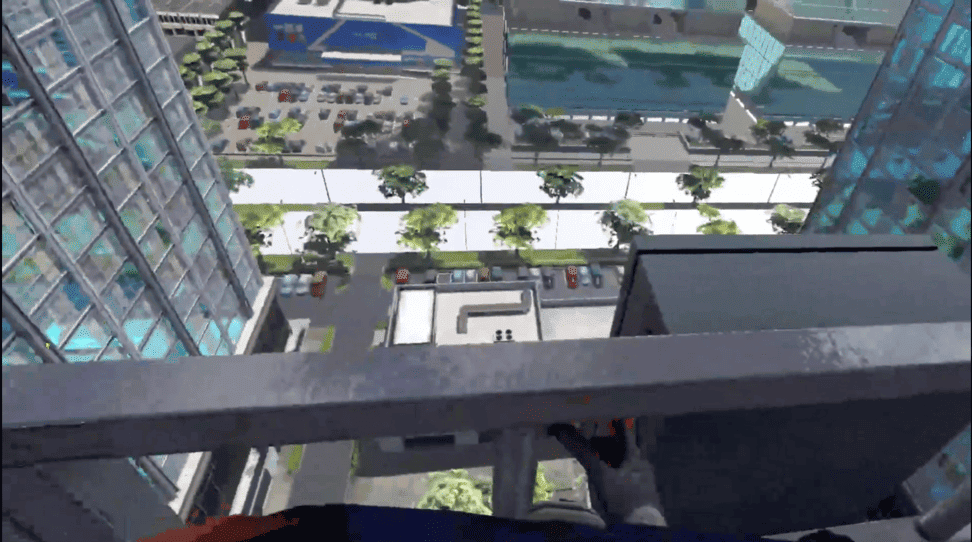
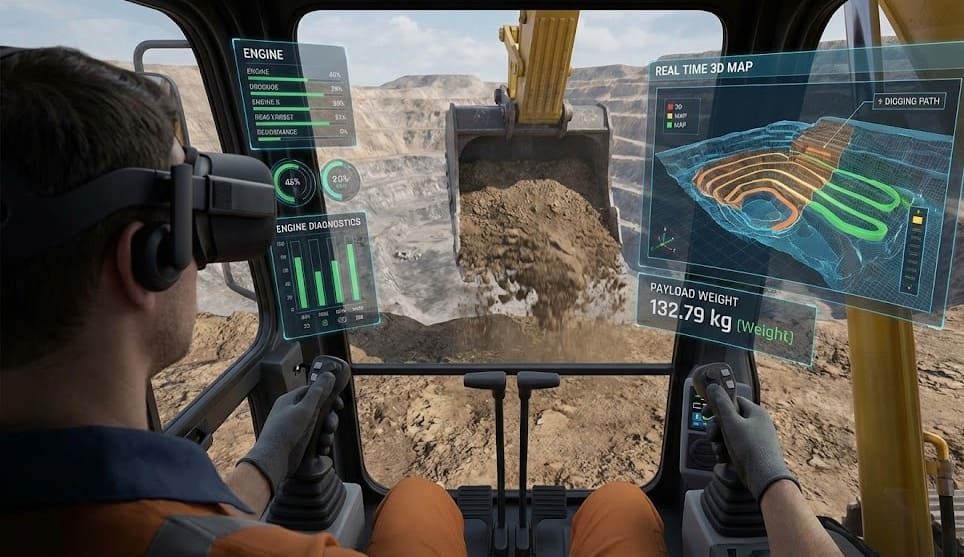
For years, “mining simulator” meant one thing: a full-motion cabin. A replica operator’s seat mounted on a hydraulic platform, wrapped in curved screens, that pitches and rolls to mimic a haul truck climbing a ramp. They’re impressive machines, and they’re expensive ones. Lately a second option has crowded into the conversation — the VR headset simulator — and mining companies weighing a purchase are often unsure how the two actually compare. The honest answer is that they’re different tools solving overlapping problems, and the right choice depends on what a particular operation is trying to fix. What the motion platform does well A full-motion cabin’s strength is physical fidelity. When the platform tilts as a virtual truck crests a grade, the operator’s inner ear feels something close to the real sensation. For training the bodily, seat-of-the-pants feel of operating heavy equipment, that physical motion is genuinely valuable, and nothing in a static headset fully replaces it. The trade-offs are equally real. A motion-platform simulator is large, heavy, and effectively immovable — it lives in one room, and operators come to it. It’s costly to buy and to maintain. And each unit typically trains one operator on one equipment type at a time, which makes scaling across a workforce slow and expensive. For a large mine with hundreds of operators spread across remote sites, that footprint is a serious constraint. What the VR headset does well A VR simulator inverts most of those constraints. The hardware is portable — a headset and controllers that travel to site in a case, rather than a room operators must travel to. It’s a fraction of the cost per training station, which means an operation can run many operators in parallel instead of queuing them for one cabin. And a single VR setup can switch between equipment types and scenarios in software — excavator one session, haul truck the next, a hazard drill after that — without any change of hardware. This is the model Indonesian developer Virtu has built its mining training around: a portable VR-based mining simulator that reconstructs cabins, controls, components, and work procedures, and records each session as tracked data. The pitch isn’t that it reproduces the physical jolt of a motion platform — it’s that it makes high-volume, scenario-varied, data-tracked training affordable enough to run across an entire workforce, including at remote sites a motion cabin would never reach. The honest comparison Neither format is simply “better.” A motion platform wins on raw physical sensation and is the stronger choice where the bodily feel of operation is the specific thing being trained, and budget and footprint aren’t constraints. A VR headset wins on cost, portability, scalability, scenario variety, and data — which matters most when the goal is to train many operators on many situations, safely, without halting production or buying real-equipment seat time. A growing number of operations land on a blend: VR for the high-volume fundamentals, procedures, hazard recognition, and the long tail of scenarios, with limited motion-platform or live-equipment time reserved for the final physical polish. Used that way, the two aren’t rivals. The VR stage makes the expensive stage more productive, because operators arrive already fluent in the procedures. How to actually decide The practical question isn’t “which technology is best?” but “what is this operation’s bottleneck?” If the bottleneck is that operators lack the physical feel of the machine, lean toward motion. If the bottleneck is that training is too slow, too costly, too risky, or impossible to deliver to remote sites at scale — which is the more common complaint — VR is the tool built for that problem. Counting the per-operator cost, the number of people who need training, and whether the equipment has to travel to the workforce usually makes the answer clear long before any demo. A mining industry simulator is only as useful as the bottleneck it removes. The first step is naming the bottleneck honestly — then the format chooses itself.

Bisnis, Featured, News

The Backless Mule That Wears Two Ways

There is a small, specific frustration that comes with most mules. They are easy to slip into, which is the whole appeal, but the moment you actually need to move, the open heel turns into a liability. You quicken your pace and the shoe starts to flap. You take the stairs and you can feel it threatening to come off. So you either accept the limitation or you keep a second, more secure pair for the days you need it. Jescherline’s backless mules are built around a design that refuses to make you choose. The strap flips. Wear it down for an open, slip-on heel, or fold it up for a closed, secured one. It is a simple idea, but it quietly solves the one thing that holds most mules back. Here is how it works and why it changes how often you actually reach for the pair. 1. One Silhouette, Two Ways to Wear It The heart of the design is the heel strap. On a standard mule, the back is just open, full stop. On a Jescherline pair, that strap is functional. Leave it folded down and you have a true backless mule, the kind you step into without bending down or touching the heel. Fold it up and over the back of your foot, and the same shoe becomes a closed-heel slip-on that stays put. What makes this work rather than feel like a gimmick is that both positions are deliberate. The strap is not a flimsy afterthought sewn on for novelty. It is part of the structure, shaped and stitched so it holds whichever way you set it. You are not getting a backless shoe with a strap dangling off it. You are getting one pair that genuinely behaves like two. 2. The Convenience of Backless, When You Want It Most of the time, backless is the point. There is a reason mules have crept from house-slipper territory into everyday footwear over the last few years. They are quick. No laces, no fighting your heel into the back, no sitting down to put your shoes on. You step in and you go. For working from home, quick errands, slipping out to grab a coffee, or just the rhythm of a relaxed day, that ease is hard to give up once you are used to it. Jescherline leans fully into this with models like the Elefante and the Tautou, where the backless slide is the default mode. The open heel also lets your foot breathe, which matters more than you would think in a warm climate. On most days, you will probably never touch the strap. That is by design. 3. The Security of a Closed Heel, When You Need It Then there are the days backless does not quite cut it. You have a longer walk ahead. You are heading somewhere with stairs or uneven ground. You want to move quickly without thinking about your feet. This is exactly where every other mule lets you down, and where the flip-up strap earns its place. Folded up, the strap locks the shoe to your heel. The flapping disappears. You can stride, climb, and pick up the pace, and the shoe moves with you instead of fighting you. Jescherline’s Baffarō line, which the brand ties back to mountaineering roots, makes the most of this. It is a backless shoe that is genuinely comfortable to cover ground in once the strap is up. You get the casual look of a mule with the practicality of a proper closed shoe, and you switch between the two without changing footwear. 4. Full-Depth Leather Makes the Conversion Seamless A convertible strap only works if the materials can take it. A thin, soft strap would lose its shape after a few flips and end up sitting awkwardly in both positions. This is where Jescherline’s use of full-depth leather, sometimes described as full-layer leather, does the quiet work. Because the leather has real body to it, the strap holds whichever position you put it in cleanly. Up stays up. Down stays down. The leather also breaks in over time, softening to your foot while keeping enough structure to do its job. That combination, flexible enough to be comfortable but firm enough to hold a shape, is the whole reason the design feels solid rather than fussy. It is the difference between a clever idea and a clever idea that actually survives daily use. 5. A Note on the Brass Buckle and Fit Look closely and you will notice the hardware is solid brass rather than plated metal. On many models the strap fastens or adjusts through a brass buckle, and this is not just a styling choice. Plated hardware tends to wear and corrode, especially in humidity, while solid brass ages into a soft patina instead of falling apart. On a part of the shoe you handle constantly, that durability matters. The buckle also helps with fit. Because mules live or die on how well they hug your foot, a little adjustability goes a long way. It is worth measuring your foot against Jescherline‘s size chart before ordering rather than guessing, since a backless shoe with the right fit feels secure even with the strap down, and a slightly-off fit will nag at you. Get the size right and the pair more or less disappears on your feet, which is exactly what you want. One Pair, Fewer Compromises The appeal of a convertible backless mule comes down to range. Instead of a slip-on for lazy days and a closed shoe for active ones, you carry one pair that does both, decided by a quick flip of the strap. Add full-depth leather that holds its shape and brass hardware built to last, and you have footwear that fits more of your week than a regular mule ever could. It is a small mechanism solving a real, everyday problem, which is usually the kind of design worth paying attention to.

Bisnis, Featured, News

Akuisisi Perusahaan: Cara Menilai Target Sebelum Anda Membeli

Ada titik ketika membangun sendiri terasa terlalu lambat. Pasar bergerak, kompetitor menambah kapasitas, dan rencana ekspansi Anda masih tertahan di tahap paling awal: mencari lokasi, merekrut orang, membangun sistem. Di situlah akuisisi perusahaan mulai masuk akal — karena perusahaan yang Anda incar biasanya sudah melewati semua tahap itu. Sistem, pelanggan, tim, aset, dan akses pasarnya sudah ada dan berjalan. Tetapi peluang yang terlihat menarik bukan alasan yang cukup untuk membeli. Sebelum memutuskan, ada banyak hal yang harus Anda pegang: tujuan strategisnya, kondisi target, kesiapan internal Anda sendiri, struktur transaksi, risiko legal, kondisi keuangan, sampai rencana integrasi setelah dokumen ditandatangani. Tanpa itu semua, akuisisi yang seharusnya mempercepat pertumbuhan justru berubah menjadi beban operasional. Karena itu akuisisi perusahaan lebih tepat dibaca sebagai proses, bukan peristiwa. Bukan sekadar menemukan perusahaan yang bisa dibeli, melainkan memastikan peluangnya relevan, layak dinilai, aman dibicarakan, dan bisa ditindaklanjuti bersama pihak yang tepat. Ketika Menunggu Jadi Lebih Mahal daripada Membeli Pertumbuhan organik tidak selalu jawabannya. Anda ingin masuk ke kota baru, tetapi belum punya tim lokal. Anda ingin memperluas kategori layanan, tetapi belum punya pengalaman operasional di bidang itu. Dalam kondisi seperti ini, waktu yang dibutuhkan untuk membangun sendiri bisa jauh lebih mahal daripada mengambil alih sesuatu yang sudah jadi. Lewat akuisisi perusahaan, yang berpindah tangan adalah fondasi yang sudah terbentuk: basis pelanggan, izin operasional, lokasi, fasilitas produksi, teknologi, tim, kontrak, hingga jaringan distribusi. Jika perusahaan itu searah dengan rencana Anda, ekspansi berjalan di atas pijakan yang jauh lebih kokoh. Ada pula sisi yang jarang dibicarakan: akuisisi bisa bersifat defensif. Ketika kompetisi mengetat, mengamankan sumber daya penting, memperluas kapasitas, atau menaikkan daya tawar sebelum pasar berubah bisa lebih berharga daripada sekadar menambah pendapatan. Dalam kerangka ini, akuisisi bukan transaksi — melainkan cara menjaga momentum. Meski begitu, relevansinya selalu kembali pada kesiapan Anda. Peluang yang terlihat besar belum tentu cocok. Tanpa kriteria yang jelas sejak awal, Anda akan sulit membedakan mana yang layak dikejar dan mana yang sebaiknya dilewati. Modal Membuka Pintu, Strategi yang Menentukan Hasil Banyak pemilik bisnis menunda pembicaraan akuisisi dengan alasan yang sama: modalnya belum cukup besar. Padahal modal hanya satu bagian dari persoalan — dan bukan bagian yang paling menentukan. Yang lebih menentukan adalah tujuan strategis. Kenapa perusahaan ini, bukan yang lain? Apa yang sebenarnya ingin Anda perkuat? Dan bagaimana bisnis hasil akuisisi akan menempati posisinya dalam rencana pertumbuhan yang lebih besar? Ketika tujuannya kabur, akuisisi berubah menjadi keputusan mahal tanpa dampak berarti. Ketika tujuannya tajam, ia bekerja sebagai akselerator. Bentuk targetnya pun mengikuti tujuan itu. Ingin memperkuat produksi? Cari perusahaan dengan fasilitas, tim, atau rantai pasok yang menopangnya. Ingin masuk ke wilayah baru? Cari perusahaan yang sudah benar-benar memahami pasar lokal di sana. Setelah tujuan, giliran kesiapan organisasi yang diuji. Apakah tim Anda sanggup mengintegrasikan proses baru? Apakah sistem operasionalnya bisa disatukan? Apakah budaya kerjanya bisa dikelola? Apakah struktur manajemen Anda cukup kuat menampung bisnis tambahan? Pertanyaan-pertanyaan ini penting karena akuisisi perusahaan tidak selesai ketika dokumen transaksi ditandatangani. Justru di situlah pekerjaan yang sesungguhnya dimulai. Singkatnya: modal membuka pintu, tetapi kesiapan strategi dan operasional yang menentukan apa yang terjadi setelah Anda melangkah masuk. Empat Hal yang Diam-Diam Menggagalkan Akuisisi Informasi yang berhenti di permukaan. Sebuah bisnis bisa terlihat aktif dan ramai, tanpa berarti kondisi keuangan, legalitas, aset, dan operasionalnya sehat. Ketika data tidak lengkap, keputusan bergeser dari analisis menjadi firasat. Valuasi yang tidak realistis. Angka menuntut disiplin. Revenue, margin, aset, utang, kontrak, arus kas, biaya tersembunyi, dan potensi pertumbuhan harus dibaca apa adanya. Bila Anda hanya melihat potensi tanpa menimbang risiko, struktur transaksi akan timpang sejak hari pertama. Kerahasiaan yang bocor. Akuisisi menuntut pertukaran informasi sensitif. Bila alurnya tidak diatur, data penting bisa sampai ke pihak yang tidak relevan — dan reputasi bisnis ikut terganggu ketika proses yang masih sangat awal sudah terdengar ke mana-mana. Integrasi yang tak pernah direncanakan. Perusahaan yang menarik di atas kertas belum tentu mudah disatukan dengan bisnis Anda. Perbedaan budaya kerja, struktur biaya, sistem operasional, dan cara pengambilan keputusan bisa menjadi persoalan besar. Tanpa rencana, akuisisi justru menambah tekanan pada bisnis utama. Empat hal ini punya benang merah yang sama: semuanya lahir dari proses yang terburu-buru. Akuisisi perusahaan bisa mempercepat pertumbuhan — tetapi hanya bila ditopang data yang kuat, penilaian yang objektif, dan risiko yang benar-benar dipetakan. Membaca Target lewat Empat Lensa Lensa strategi: apakah ia memperkuat arah Anda? Apakah bisnisnya komplementer? Apakah pasar, aset, atau timnya relevan dengan kebutuhan Anda? Akuisisi yang baik bukan soal menemukan perusahaan yang besar, melainkan perusahaan yang memperkuat posisi Anda. Bila targetnya tidak sejalan dengan arah pertumbuhan, seluruh proses akan kehilangan fokus sebelum sampai ke meja negosiasi. Lensa operasional: apakah bisnisnya berjalan tanpa satu orang? Perhatikan bagaimana perusahaan itu bekerja sehari-hari. Apakah prosesnya bergantung pada satu figur? Apakah timnya stabil? Apakah sistemnya terdokumentasi? Apakah pelanggannya masih aktif? Dan apakah kualitas layanannya bisa dipertahankan setelah transaksi? Bisnis yang menarik dari sisi penjualan belum tentu siap diintegrasikan bila sistemnya belum rapi. Lensa keuangan: apa yang tidak terlihat di angka besar? Jangan berhenti pada revenue yang mengesankan. Periksa margin, biaya tetap, kewajiban, histori arus kas, aset, dan potensi perbaikan. Angka yang dibaca dengan objektif melakukan dua hal sekaligus: memberi Anda keyakinan untuk memutuskan, sekaligus menunjukkan apakah harga yang ditawarkan masuk akal atau hanya dibungkus optimisme. Lensa legal dan kepatuhan: apa yang bisa muncul belakangan? Perizinan, kontrak, hak atas aset, kewajiban pajak, perjanjian dengan pihak lain, dan struktur kepemilikan perlu dipahami sejak awal. Risiko legal jarang terlihat di percakapan pertama, tetapi paling mahal ketika muncul setelah transaksi berjalan. Di titik inilah partner profesional — legal, pajak, akuntansi, valuasi, struktur transaksi — bukan biaya tambahan, melainkan perlindungan. Menyiapkan Rumah Sendiri Sebelum Menambah Rumah Baru Akuisisi selalu menambah tanggung jawab. Bila struktur manajemen, SOP, keuangan, dan legal Anda belum tertata, bisnis tambahan hanya akan memperbesar tekanan. Ada empat hal yang perlu beres lebih dulu. Alasan yang terkunci. Jangan mengejar peluang hanya karena terlihat besar. Tetapkan apakah Anda ingin memperkuat pasar, menambah kapasitas, mengambil alih teknologi, memperkuat jaringan, atau memperluas kategori. Alasan yang tegas berfungsi sebagai saringan — ia menolak peluang yang tidak relevan sebelum menghabiskan waktu Anda. Batas

Bisnis, Featured, News

VR De-escalation Training: The Communication Skill Most Tactical Programs Overlook

Most of a Military and Law Enforcement officer’s working hours aren’t spent shooting. Not even close to shooting situations. Studies from various countries have shown the same consistent pattern for years: use of force occurs in a small percentage of total contacts with civilians. Lethal force — even smaller still. Yet curiously, training programs across nearly every institution keep allocating disproportionate hours to firearms and tactical drills, while communication and de-escalation skills get the leftovers. This imbalance has real consequences in the field. Officers end up sharp at tactical capabilities they almost never use, and underprepared for the communication situations that fill their everyday shifts. VR combat training platforms — yes, even with “combat” in the name — can also support de-escalation and crisis communication training. Here’s what that actually looks like. Why De-escalation Training Is Hard to Do Well De-escalation skill development runs into several real walls in conventional training. Role-playing with fellow trainees rarely produces realistic conditions. The role-player knows it’s just a drill. Real emotional distress, real mental health symptoms, real intoxication — none of it can be faked convincingly by a colleague. What trainees actually learn is how to handle a colleague playing a difficult person. Not how to handle an actual person in crisis. Professional actors can get closer to realism, but the cost climbs fast. Actors who can credibly portray specific mental health presentations or crisis states aren’t easy to find. Their fees aren’t small either. And this cost is what limits how often training can be repeated, which in turn limits how deeply the skill develops. Case studies and video reviews deliver cognitive learning, not practice. Officers can understand de-escalation principles intellectually and still have no practical ability to apply them when the pressure hits. Field experience is the most effective teacher and the most ethically problematic one. Learning de-escalation on the job means every learning event is a real incident with real consequences for civilians. This combination of constraints is exactly why de-escalation skill development has been an unevenly grown area in tactical training, despite everyone agreeing the skill matters. What VR Can Realistically Provide VR de-escalation training brings several capabilities to the table that conventional methods can’t match. NPCs can present consistent crisis behaviors across multiple training sessions. A character built to portray a psychotic episode will present the same way to different trainees — making standardized assessment of trainee response actually possible. Even skilled actors struggle to hold that consistency across many sessions. Behavior can be programmed to respond to what the trainee actually does. Calm vocal tone plus active listening techniques? The NPC can be configured to gradually de-escalate. Commanding or confrontational language? The NPC escalates instead. This feedback loop creates direct learning about which communication approaches really work. Scenarios involving vulnerable populations — people in mental health crisis, trauma victims, distressed children — can all be drilled without putting real humans through repeated re-enactment of difficult experiences. That’s an ethical advantage conventional training simply cannot match for these specific contexts. Repetition is essentially unlimited. NPCs don’t tire. They don’t experience emotional fatigue. They don’t need breaks. Trainees can run the same scenario many times to build real fluency. Categories of De-escalation Scenarios Several scenario categories show up regularly across VR de-escalation training programs. Mental health crisis intervention involves subjects experiencing psychotic episodes, manic episodes, severe depression, or other acute mental health states. Skills practiced include recognizing symptoms, adjusting communication style, avoiding trigger behaviors, and coordinating with mental health professionals when needed. Domestic conflict response involves multiple parties with complex emotional dynamics. Officers practice separating involved parties, conducting individual conversations, assessing threat in intimate violence contexts, and making decisions between intervention and referral to social services. Suicide intervention scenarios involve subjects threatening self-harm. Skills include building rapport under time pressure, identifying which communication approaches reduce versus increase risk, and coordinating with tactical resources for situations where communication may fall short. Crowd and demonstration management involves group dynamics rather than one-on-one interaction. Officers practice maintaining a low-presence posture, avoiding escalatory behaviors, using verbal commands selectively, and working with demonstration leadership when present. Welfare checks involve individuals who refuse to interact. Officers practice reading environmental cues, deciding between forced entry and continued communication attempts, and coordinating with other resources. Verbal compliance situations during routine contacts involve subjects who become uncooperative or verbally aggressive. Officers practice avoiding escalation spirals, using tactical pauses, and recognizing when force is actually needed versus when communication can resolve it. Reading Body Language and Non-verbal Cues One area where VR training has a clear edge is non-verbal cue recognition. Behaviors that signal imminent aggression, building cooperation, or particular psychological states — all of it can be programmed into NPCs with the kind of consistency that lets trainees actually learn to recognize patterns. Tightening posture. Weight shifts that prepare for movement. Hand positioning relative to potential weapons. Eye contact patterns. Breathing changes. All of it can be animated into virtual characters with reasonable fidelity. Trainees who repeatedly drill these scenarios build pattern recognition that transfers to real interactions. They catch cues earlier. They adjust tactical positioning sooner. They gain more time to make decisions before situations escalate further. It’s a form of perceptual training with a documented track record in psychology research. And VR can deliver it efficiently. Verbal Techniques That Can Be Drilled Several established frameworks for crisis communication give vocabulary to what VR de-escalation training is actually practicing. Verbal Judo, developed by George Thompson, emphasizes using language tactically to gain voluntary compliance. Its principles include treating people with dignity regardless of behavior, redirecting conversation away from confrontation, and using specific techniques like the “sword of insertion” to interrupt escalation patterns. Crisis Intervention Team (CIT) training, originally developed in the US and now used internationally, focuses specifically on interactions with people experiencing mental health crises. Its principles include slowing down communication, validating emotions without agreeing with delusions, and connecting subjects with appropriate services. Active listening techniques from negotiation training emphasize reflecting back what the subject says,

ASEAN putuskan genjot strategi ketahanan energi di masa krisis, tapi agenda nasional akan jadi kendala
News

ASEAN putuskan genjot strategi ketahanan energi di masa krisis, tapi agenda nasional akan jadi kendala

analisis Asia Perang di Timur Tengah menghantam Asia Tenggara dari berbagai lini—energi, pupuk, hingga pasokan pangan—sehingga mendorong lahirnya solusi kolektif di tingkat kawasan. Namun pengamat mengatakan, menerjemahkan rencana-rencana itu menjadi aksi nyata tidak akan mudah. Para menteri luar negeri negara-negara ASEAN menghadiri KTT ASEAN ke-48 di Cebu, Filipina, pada 7 Mei 2026. (Foto: CNA/Jarupat Karunyaprasit)

Danantara beli saham GoTo, fokus ke kesejahteraan ojol
News

Danantara beli saham GoTo, fokus ke kesejahteraan ojol

JAKARTA: Badan Pengelola Investasi Danantara telah membeli saham PT GoTo Gojek Tokopedia Tbk (GoTo), pemilik layanan Gojek dan GoPay, melalui bursa. GoTo menyebut jumlah saham yang dibeli Danantara kurang dari 1 persen dari total saham perseroan. Masuknya Danantara ke saham GoTo disebut tidak sekadar berkaitan dengan kepemilikan, tetapi juga dorongan untuk memperbaiki kesejahteraan mitra pengemudi.

Fotokopi e-KTP langgar perlindungan data pribadi, ini penjelasan Kemendagri
News

Fotokopi e-KTP langgar perlindungan data pribadi, ini penjelasan Kemendagri

JAKARTA: Direktur Jenderal Kependudukan dan Catatan Sipil Kementerian Dalam Negeri Teguh Setyabudi mengingatkan lembaga pengguna agar tidak lagi meminta fotokopi e-KTP. Menurut Teguh, praktik tersebut termasuk pelanggaran Pelindungan Data Pribadi. Teguh menjelaskan, KTP elektronik atau KTP-el sudah dilengkapi cip yang menyimpan data penduduk, sehingga tidak perlu lagi difotokopi. “KTP-el itu sudah dilengkapi dengan alat yang

Scroll to Top