Pre-Use Harness and Lanyard Inspection: A Checklist and How VR Supports
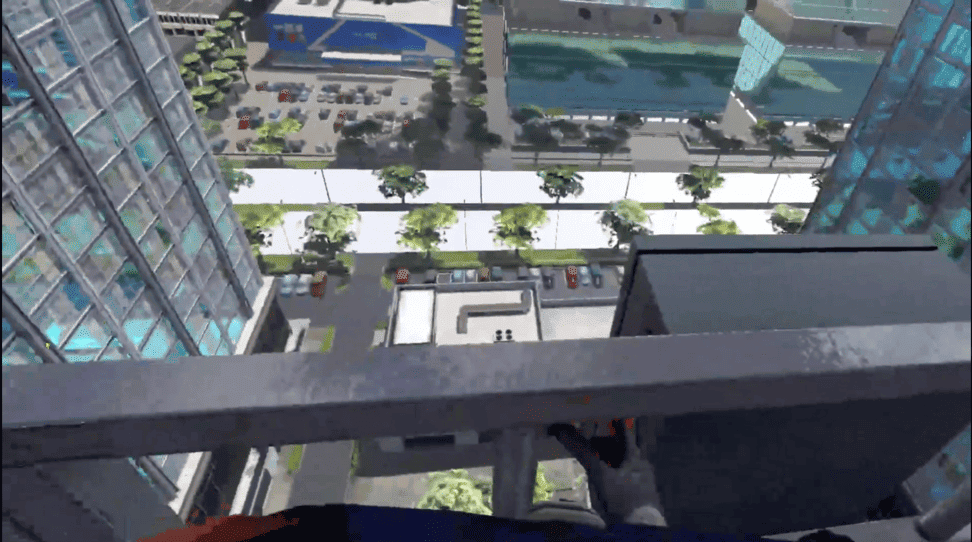
A safety harness and lanyard protect a worker only if they are in good condition. Damage from abrasion, chemicals, heat or a previous fall can reduce their strength. For this reason, fall protection equipment should be inspected by the user before each use, in addition to periodic inspections by a competent person. This article provides a general pre-use checklist and explains how VR training can reinforce inspection habits. Why Pre-Use Inspection Matters Fall protection equipment is used in demanding conditions. Webbing can be cut by sharp edges, weakened by sunlight or chemicals and damaged by heat from welding or cutting. Metal parts can bend, corrode or stop working properly. Some damage is easy to see. Other damage requires careful checking. Indonesia’s Minister of Manpower Regulation No. 9 of 2016 on Occupational Safety and Health in Work at Height requires that equipment used for work at height be suitable and maintained. Manufacturers also provide inspection instructions that should be followed. Periodic inspections by a competent person should be recorded, usually in an equipment register. Harness Inspection Checklist The following points are common to most harness inspection procedures. Always follow the manufacturer’s instructions as well. Webbing Stitching Hardware Labels and Indicators Lanyard and Connector Inspection Checklist What to Do With Defective Equipment If any defect is found, the equipment should not be used. It should be tagged or marked as out of service and reported according to site procedures. Equipment that has arrested a fall should be removed from service and handled according to the manufacturer’s instructions. Records of removed equipment help track recurring causes of damage. Why Inspection Is Often Skipped Pre-use inspection is easy to skip when workers are in a hurry or when equipment looks new. Workers may also not know what certain defects look like if they have never seen damaged equipment. Classroom training often uses photographs, which do not show what damage looks and feels like in practice. How VR Training Supports Inspection VGLANT lists work at height among its VR safety modules. VR training can include an inspection stage before the work at height task begins. In such a scenario, a trainee can be required to: VGLANT describes its scenarios as randomised. For inspection training, this means defects can appear in different places on different attempts, so trainees must check the whole item rather than look in one familiar spot. Recording Results VGLANT’s platform records metrics such as task duration, reaction time and actions taken. Supervisors can see whether trainees completed the inspection, which defects they missed and whether they used defective equipment. Limits of VR VR inspection practice does not replace inspection of real equipment. Workers must still handle and inspect their actual harness and lanyard before each use. VR is useful for teaching what to look for and building the habit of inspection. Summary Pre-use inspection is a simple step that protects workers from relying on damaged equipment. VR training can make inspection part of every practice session and record whether it was done correctly. Organisations interested in VR work at height training can contact VGLANT to discuss their requirements.